
Spring in Aspen Snowmass has two distinct phases: late-season skiing and mud season. Once the lifts stop spinning and before summer truly begins, the valley quiets down, but that doesn’t mean there’s nothing to do. In fact, this is one of the most underrated times to visit.
Mud season is all about fewer crowds, better availability and a more relaxed way to experience Aspen and Snowmass Village.
What Is Mud Season in Aspen Snowmass?
Mud season typically runs from late April through late May, occupying the shoulder between ski season’s end and the launch of summer operations. It’s a true pause in the calendar where the pace slows, the valley resets, and a more authentic, local version of Aspen comes into view.
Here’s how the 2025–2026 season broke down:
Ski area closing dates (2025–2026 season):
- Buttermilk: April 5, 2026
- Aspen Highlands: closed early (late March) due to warm weather conditions
- Snowmass: April 5, 2026
- Aspen Mountain: April 19, 2026
Summer operations begin:
- Silver Queen Gondola (Aspen Mountain): Memorial Day Weekend (late May), with weekend-only service through mid-June, then daily from approximately June 21
- Snowmass Elk Camp Gondola & Lost Forest: daily operations begin around June 21
- Maroon Creek Road: typically reopens to vehicles mid-May (reservation required)
- Snowmass summer activities (bike park, alpine coaster, etc.): mid-to-late June
This creates a quiet window of three to five weeks with lighter crowds, more availability, and a noticeably more relaxed pace.
What’s Still Open During Mud Season?
While the mountains wind down, Aspen itself stays very much alive. Dining, arts, shopping, and recreation options carry the season through.
Downtown Aspen restaurants and shops remain open, many with modified spring hours. It’s worth calling ahead for specific businesses.
Cultural venues:
- Aspen Art Museum (free admission year-round)
- Wheeler Opera House (ongoing events, films, and performances)
- Local galleries with rotating exhibits throughout town
Recreation:
- Aspen Recreation Center (pool, ice rink, fitness center, climbing wall)
- Rio Grande Trail and lower-elevation paths
Spring events:
- Aspen Film Shortsfest (April 7-11th)
- Mountain Film on Tour (April 16th)
Stroll Downtown Aspen Without the Crowds
Mud season is one of the best times to experience downtown Aspen at a genuinely relaxed pace with no waiting for tables, no jockeying for parking, no crowds at the coffee shop.
You’ll find easier restaurant reservations, uncrowded galleries and boutiques, and a vibe that feels much more like the Aspen locals actually love. This is the version of town that peak-season visitors rarely see.
Where to Eat & Drink
Mud season is one of the best times to actually get a table at the restaurants that are impossible to book in peak season. The reservation landscape opens up considerably, and the dining scene in Aspen remains one of the best in the Rockies year-round.
Downtown Aspen has a strong lineup of year-round restaurants from casual lunch spots to white-tablecloth dinner destinations. A few things to know for spring:
- Breakfast and coffee spots along the mall are reliably open and far less crowded than in winter
- Après-style bars with good happy hour menus are a great way to spend a mud season afternoon
- Farm-to-table and local-focused restaurants tend to shine in spring, leaning into seasonal menus as local farms begin producing again
- Some restaurants close for a brief spring break between seasons so it’s always worth a quick call or check on their website before making plans
Snowmass Village also has a solid dining scene, with several restaurants staying open through the shoulder season. Don’t overlook it as an option, especially if you’re staying on that side of the valley.
Lean Into Arts and Culture
With variable outdoor conditions, spring is an excellent time to focus on Aspen’s deep cultural identity. Many of the town’s best indoor experiences are in full swing.
- Visit the Aspen Art Museum – admission is always free
- Catch a performance or film at the Wheeler Opera House
- Attend screenings at Aspen Film Shortsfest
- Explore local galleries and artist studios throughout town
Hike Lower-Elevation Trails
As the snowpack retreats, lower trails begin to open — and with them, some of the most scenic walking in the valley. Conditions vary day to day and elevation to elevation, so flexibility is key.
Good spring options include:
- Rio Grande Trail – a flat, accessible path following the Roaring Fork River
- Lower Hunter Creek Valley – sunny aspect, melts out earlier than most
- Snowmass Village trails – great variety at lower elevations
Expect a mix of dry sections, soft mud, and lingering snow patches. Waterproof footwear goes a long way.
Spring Wildlife Watching
Mud season is one of the most rewarding times of year for wildlife in the Roaring Fork Valley and it’s an experience that most visitors miss entirely by coming only in peak season.
As snow retreats from lower elevations, animals become far more visible:
- Elk and mule deer move down to lower meadows and river corridors during the transition, often visible from the road or trail
- Black bears emerge from hibernation in April and May, frequently spotted on south-facing hillsides searching for early food sources
- Migratory birds return in large numbers throughout April and May, the valley is a well-known birding destination during spring migration
- Beavers and river otters are active along the Roaring Fork and its tributaries, especially along the Rio Grande Trail
The Aspen Center for Environmental Studies (ACES) runs naturalist-led programs and walks that are excellent for families or anyone wanting a guided introduction to the valley’s ecology. Check their calendar at aces.org for spring programming.
Bike Before Summer Traffic Returns
Late mud season offers a unique window for cyclists, particularly before roads reopen fully to vehicle traffic. This is a local favorite and one of the most memorable mud season experiences.
- Maroon Creek Road opens to cyclists as soon as the pavement is clear, typically before car access is permitted. The 8-mile climb gains roughly 1,600 vertical feet and is relatively car-free between 8am and 5pm once shuttle service begins (usually late May).
- Independence Pass (Hwy 82) typically opens to vehicles in late May, weather dependent – catch it in that first window before traffic builds.
- Rio Grande Trail is accessible for bikes throughout the season.
Go Fly Fishing
The Roaring Fork Valley is Gold Medal fishing territory, and mud season offers some surprisingly productive time on the water. Spring hatches can be excellent, and the solitude is hard to beat.
- The Roaring Fork River and its tributaries offer world-class trout fishing
- Early-season hatches bring active fish even before runoff peaks
- Far fewer anglers than you’ll encounter in summer
- Local outfitters offer guided half-day and full-day trips for all skill levels
Note that peak runoff (usually May into early June) can make some stretches unfishable, ask a local guide for current conditions.
Spa & Wellness
There’s a reason mud season lends itself so naturally to a slower, more restorative kind of travel and Aspen’s spa and wellness scene is built for exactly that.
Several world-class spas operate year-round in Aspen and Snowmass Village, and shoulder season is easily the best time to access them. Appointments that would be booked weeks out in December or January are often available with just a day or two of notice in late April and May.
Options range from full-service resort spas with hydrotherapy and bodywork to smaller boutique wellness studios offering yoga, pilates, and massage. The Aspen Recreation Center also has a pool, hot tub, and fitness facilities that are open to the public year-round and well worth a visit.
For those drawn to a more immersive wellness experience, mud season’s quieter energy with fewer people, no lift lines, no social pressure to ski every day which makes it a genuinely ideal backdrop for rest and recovery.
Day Trips Worth Taking
One of mud season’s underrated advantages is that the surrounding region is also at its most accessible and least crowded. Aspen makes an excellent base for day trips into some of Colorado’s most spectacular terrain.
Glenwood Springs (45 minutes west on Hwy 82) Home to the world’s largest natural hot springs pool, Glenwood Hot Springs is a short and easy drive from Aspen. After a day of hiking or biking, soaking in the mineral-rich water is hard to beat. The town also has good restaurants and a charming downtown worth wandering. Hanging Lake, a stunning turquoise lake reached via a steep 1.2-mile trail, is nearby, though reservations are required to access the trail (book at recreation.gov well in advance).
Carbondale (30 minutes west) A creative, down-to-earth mountain town with a strong arts scene, excellent farm-to-table dining, and a relaxed vibe. The Thursday farmers market runs seasonally, and the town’s Main Street has a growing lineup of independent shops, breweries, and cafes. Mount Sopris, rising dramatically above town, provides a stunning backdrop.
Basalt (20 minutes west) A quieter base with good fly fishing access on the Frying Pan River, one of Colorado’s most celebrated Gold Medal fisheries. The Frying Pan is known for its year-round tailwater fishery and excellent spring hatches. Basalt’s Two Rivers Road area is also a scenic spot for a spring walk.
Independence Pass Scenic Drive Once the pass opens to vehicles (typically late May, weather dependent), even just driving partway up provides dramatic high-alpine scenery. The summit sits at 12,095 feet and offers sweeping views of the Sawatch Range. Check CDOT for current road conditions and opening status before you go.
Plan an Early Maroon Bells Visit
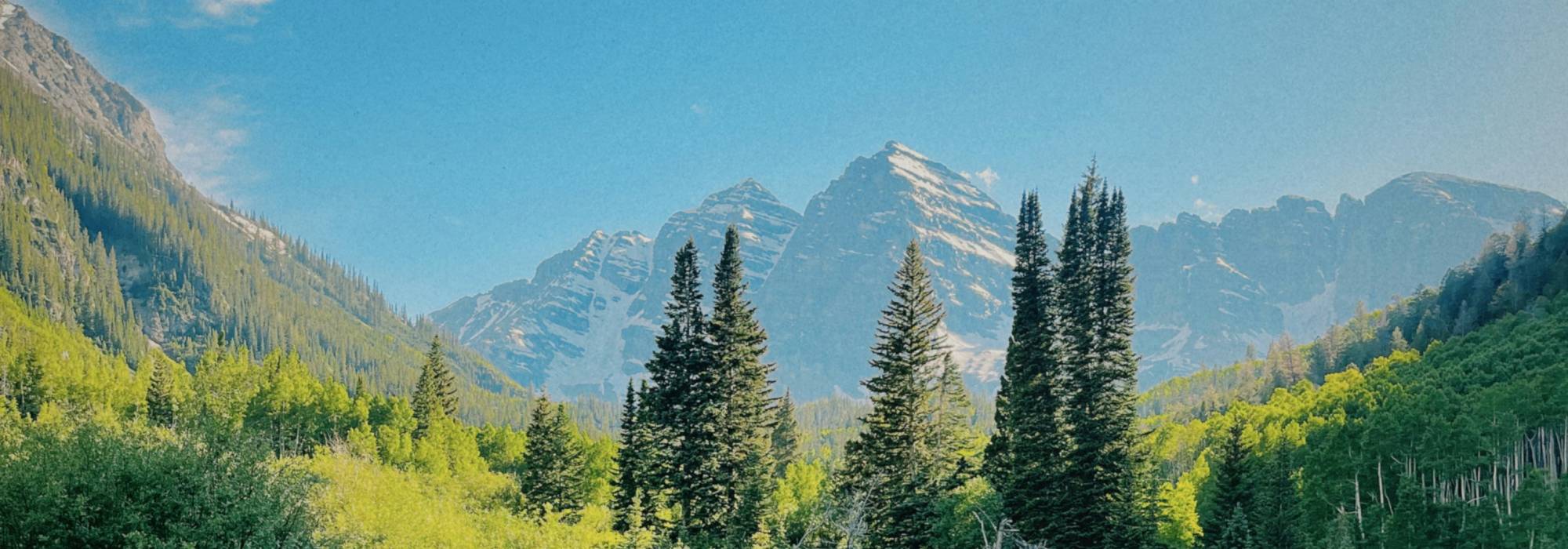
Mud season’s late stretch is an excellent time to visit the Maroon Bells, one of the most photographed landscapes in North America, before summer crowds arrive.
Key logistics:
- Maroon Creek Road typically reopens to vehicles in mid-May, with reservations required at visitmaroonbells.com
- RFTA shuttle service from Aspen Highlands begins in late May or early June, at which point vehicle access during peak hours (8am–5pm) is limited to those with parking reservations
- Early-season access often means snow still blanketing the peaks and surrounding meadows which makes for dramatic, otherworldly scenery
Book as soon as reservations open; early-season availability can go quickly even before the summer rush.
Ride the Gondola as Summer Kicks Off
If your trip extends into late May, the Silver Queen Gondola at Aspen Mountain typically begins weekend sightseeing operations over Memorial Day weekend. By mid-June, daily service is running to the 11,212-foot summit offering stunning views, mountaintop dining at the Sundeck, hiking trails, and live music.
The Snowmass Elk Camp Gondola and the Lost Forest activity center (alpine coaster, ziplines, climbing wall, hiking, fishing pond) open for daily summer operations around June 21.
If you’re planning a late-May visit, check aspensnowmass.com for the current season’s specific opening dates.
Take Advantage of Shoulder-Season Value
One of mud season’s biggest draws is simply the value. Aspen is famously expensive, and this window is one of the few times when the experience is meaningfully more accessible.
- Lodging rates drop noticeably compared to winter and summer peaks
- Vacation rental availability is far better with more choice, better locations, more flexibility
- Select restaurants and local businesses offer spring specials
- Booking is easier across the board and last-minute travel becomes genuinely possible
A Few Things to Know Before You Book
Mud season rewards those who come prepared with the right expectations.
- Some restaurants and shops operate on reduced hours or close briefly for staff breaks between seasons so call ahead for specific spots
- On-mountain skiing, ski school, and ski patrol services are no longer available once closing days pass
- Trail and road conditions shift rapidly with temperature swings, check local conditions the day before any planned hike or drive
- Snowmass summer activities (Bike Park, Lost Forest, etc.) don’t begin until mid-to-late June
- Weather can swing dramatically so pack layers, waterproof gear, and sunscreen
Why Mud Season Is So Underrated
Mud season offers a version of Aspen Snowmass that peak-season visitors simply don’t get to experience: quieter, more affordable, more human-scaled. It’s the valley at rest and that’s something worth seeking out.
You’ll find easier access to everything, a genuinely local atmosphere, and the freedom to move at your own pace through one of the most beautiful places in the American West. The mud? A small price to pay.
Plan Your Spring Stay with Alpine Property
Mud season is ideal for travelers who want to experience Aspen Snowmass without the peaks of winter and summer. With better availability, lower rates, and a quieter atmosphere, it’s a genuinely different kind of trip.
Stay close to downtown Aspen or Snowmass Village, take advantage of flexible travel dates, and enjoy the valley the way locals do.
Contact Alpine Property to explore your spring rental options and find the right property for your visit.
Frequently Asked Questions
Is mud season in Aspen/Snowmass actually worth visiting for?
Yes, with the right expectations. If you’re coming for skiing or full summer activities, mud season isn’t your window. But if you want a beautiful, affordable, low-key version of Aspen with great dining, easy access to trails, cultural experiences, and world-class scenery, it’s genuinely excellent. Many people who visit during mud season say it becomes their favorite time to come.
What should I pack for my spring trip to Aspen/Snowmass?
Layer everything. Spring weather in the Rockies changes fast as a warm, sunny morning can turn into a cold, wet afternoon in a matter of hours. Bring waterproof hiking boots or trail shoes, a warm mid-layer, a rain jacket, and sunscreen (UV exposure is intense at elevation). If you plan to bike or fish, pack accordingly.
Will restaurants and shops be closed in Aspen/Snowmass during mud season?
Some will, temporarily. A handful of businesses take a brief spring break between ski season and summer. The core of downtown Aspen stays active, but it’s worth checking ahead for any specific spots on your list. Call ahead or check Instagram, most local businesses post their current hours.
Is mud season a good time for families to visit Aspen/Snowmass?
It can be, especially for families with older kids who enjoy hiking, biking, or fishing. The Aspen Recreation Center is a great option for families with younger children. Mud season is also a good opportunity to introduce kids to a quieter, more exploratory kind of travel without the sensory overload of peak season.
How do I get around without ski shuttles in Aspen/Snowmass?
RFTA (Roaring Fork Transportation Authority) buses continue to operate year-round between Aspen, Snowmass Village, and communities down-valley. Service frequency decreases in shoulder season, but the route remains reliable for getting between Aspen and Snowmass without a car. Check rfta.com for current schedules.
When does mud season end in Aspen/Snowmass?
Loosely speaking, the valley starts to feel like summer again in late May to early June when the Silver Queen Gondola begins weekend operations, Maroon Creek Road opens, and more businesses return to full swing. By mid-June, Aspen is fully in summer mode.